Water Restoration Near Me: The Complete 24/7 Guide
A burst pipe, a failed sump pump or a flooded basement can turn a normal day into an emergency within minutes. Water spreads fast, soaking into drywall, flooring and framing, and causing hidden damage long before you see it. Within hours, it can weaken materials, create odors and invite mold.
That is why acting fast matters. Professional water restoration stops the damage, dries your property completely and returns it to its pre-loss condition under the IICRC S500 Standard. This guide explains how the process works and what to look for when searching for reliable, certified help near you in Maryland.
What Is Water Restoration?
Water restoration, also called water damage restoration or water damage cleanup, is the process of removing standing water, drying affected structures and sanitizing the property after a water incident. It goes far beyond mopping up. Technicians use industrial pumps, air movers, dehumidifiers and moisture meters to reach water you cannot see inside walls, floors and cavities.
The goal is to prevent secondary damage such as warped framing, decayed drywall and mold growth. For a full overview of the service, visit our water damage restoration page or see our local water damage restoration in Bowie, MD service.
Common Causes of Water Damage in Maryland Homes
Maryland homeowners deal with a wide range of water problems throughout the year. Burst pipes are common during cold snaps, while heavy storms can overwhelm sump pumps and flood basements. Aging water heaters, failed washing machine hoses, leaking roofs and clogged drains also cause serious damage, often while no one is home. Because the cause affects the type of water involved and the repair plan, a quick professional assessment helps you choose the right next step.
Understanding the IICRC S500 Standard
The IICRC S500 Standard is the industry benchmark for professional water restoration. It ranks water by contamination level and sets the drying and sanitizing protocol for each category. That means the job is measured against a professional standard, not just “dry to the touch.”
| Category | Water Type | Common Sources | What It Means for Your Property |
|---|---|---|---|
| Category 1 | Clean water | Burst supply lines, overflowing sinks, broken water heater lines | Lowest risk; typically dried in 2–4 days |
| Category 2 | Gray water | Dishwasher or washing machine overflow, sump pump failure | Contains contaminants; needs more careful removal and treatment |
| Category 3 | Black water | Sewage backup, rising floodwater | Highly unsafe; affected materials are often removed and extensive sanitizing is required |
Clean water can slip into a higher category if it sits too long, which is another reason to act quickly.
The 4 Steps of Professional Water Restoration
Every project is different, but a certified team follows the same core sequence from start to finish.
Step 1: Water Extraction
Standing water is removed with truck-mounted or portable extraction units. If carpets and pads are saturated beyond saving, they are pulled so the subfloor can dry. Fast extraction is the most important step because it limits how far moisture wicks into drywall and framing.
Step 2: Structural Drying
Air movers and commercial dehumidifiers draw moisture out of walls, floors and hidden cavities. For Category 1 water, this stage usually takes 2–4 days. Technicians monitor moisture levels and adjust equipment as the structure dries. If the water is under your home, our guide to water in a crawl space explains how drying works in tight, hard-to-reach areas.
Step 3: Sanitization and Antimicrobial Treatment
Affected surfaces are cleaned and treated to stop microbial growth and lingering smells. If odors remain, our odor removal and sanitization service can neutralise them. Carpets and rugs that can be saved are professionally cleaned through our carpet cleaning service.
Step 4: Moisture Verification
Moisture meters and thermal imaging confirm the structure is truly dry before you rebuild or repaint. This final check protects you from mold and repeat repairs. A thorough team also records readings and photos, which most insurance carriers require to approve a claim.
Signs You Need Professional Water Restoration
Not every leak is obvious. Call a restoration team if you notice any of the following:
- Standing water or damp carpet that does not dry within a day
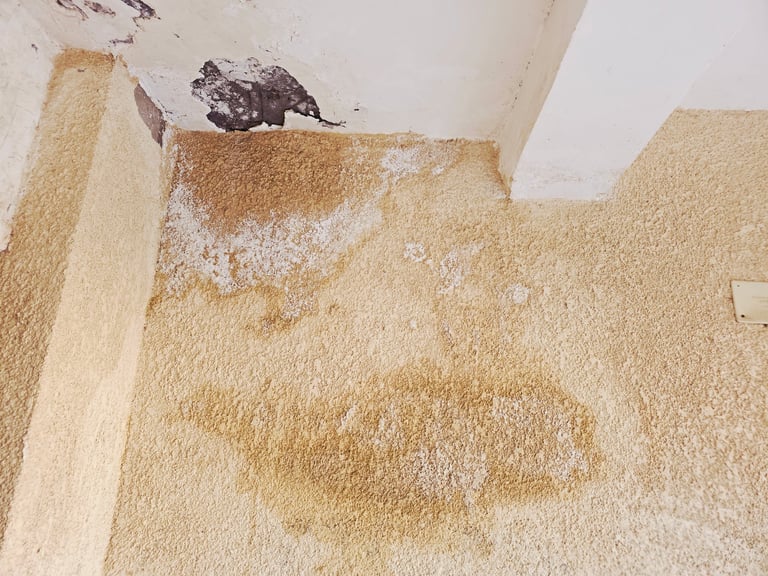
- Ceiling stains, bubbling paint or peeling wallpaper
- Warped floors, swollen baseboards or sagging drywall
- Musty smells that linger after cleaning
- A sudden rise in your water bill with no clear reason
Even small leaks can hide moisture behind walls. Household fans and dehumidifiers rarely reach deep enough, and surface drying can leave wet framing behind. A professional assessment with moisture meters shows exactly how far the water has traveled.
DIY Cleanup vs. Professional Restoration
Small spills can be handled on your own, but anything larger calls for professional equipment. Wet vacuums and box fans remove surface water, yet they cannot measure moisture inside walls or subfloors. Professionals use calibrated meters, commercial dehumidifiers and proven drying plans, so hidden moisture does not turn into mold or structural problems months later. Hiring a certified team also gives you documentation for your insurance claim, which can make the approval process smoother.
What to Do Before the Restoration Team Arrives
While you wait for help, a few safe actions can reduce the damage:
- Stop the source if it is safe, such as shutting off the main water valve.
- Turn off electricity to affected areas only if you can reach the panel without stepping in water.
- Move small valuables, rugs and furniture to a dry location.
- Take photos and videos of the damage for your insurance claim.
- Avoid using a household vacuum on standing water.
Safety comes first. If water is near outlets or you suspect sewage, stay out and call a professional. For a more detailed checklist, read what to do first after discovering water damage. If cold weather caused the problem, see our guide to frozen pipe burst recovery.
Why Choose a Certified Local Water Restoration Company
Rapid response is the biggest factor in how much of your property you can save. The longer water sits, the deeper it travels into drywall and framing, and the higher repair costs climb. A local company with 24/7 dispatch can typically reach you within 30 minutes and begin extraction before the damage spreads.
Pure Resto is a trusted local restoration team serving Maryland. Our technicians hold IICRC WRT, ASD and AMRT certifications. We work directly with your insurance company using Xactimate estimating and back every job with a written satisfaction guarantee. Learn more about our team or check the areas we serve.
Water Damage and Mold: Why Speed Matters
Mold can begin to grow within 24 to 48 hours in damp conditions. Thorough drying and verification are your best defense. If you notice musty odors or discoloration after a leak, schedule a mold inspection. If mold is confirmed, professional mold remediation removes it safely and addresses the moisture source. If your belongings are damaged, our contents cleaning, storage and packouts service can protect them while repairs are underway.
Need Water Damage Help in Maryland?
Do not wait for the damage to spread. Call Pure Resto at 301-789-3014 for 24/7 emergency response, or request a free estimate online. You can also contact our team anytime.
Frequently Asked Questions
How quickly can a restoration crew reach my property?
Does homeowners insurance cover water damage restoration?
How long does water restoration take?
What should I do first when I find water damage?
Can mold grow after water damage?
Keep Reading