Frozen Pipe Burst: Emergency Recovery & Next Steps
A frozen pipe burst is one of the most damaging — and most common — homeowner emergencies in Maryland's cold winters. When a pipe freezes, pressure builds and the pipe can split, unleashing hundreds of gallons of water into walls, ceilings, and floors within minutes. Here's exactly what to do right now and how professional restoration saves your property.
What to Do Immediately After a Pipe Bursts
Shut off the main water valve immediately to stop the flow. Then turn off electricity in the affected areas — water and live current are a serious hazard. Move valuables and furniture to dry areas, and document the damage with photos and video for your insurance claim.
Finally, call a 24/7 restoration company right away. The difference between a full recovery and permanent damage is often measured in the first hour — the faster water is extracted and drying begins, the more can be saved.
How Restoration Saves Your Home After a Burst Pipe
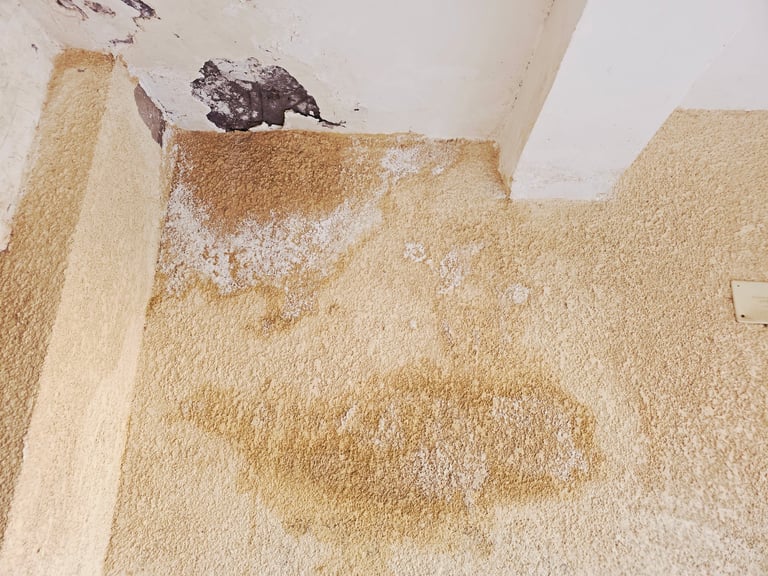
Emergency crews arrive with truck-mounted extraction units to pump out standing water, then set up industrial air movers and dehumidifiers to dry walls, floors, and cavities. Damaged drywall, insulation, and carpet are removed where necessary, and antimicrobial treatment prevents the mold that always follows significant water damage.
The IICRC S500 Standard guides the drying protocol. Proper structural drying takes days, not hours, and prevents the secondary damage — warped framing, delamination, and mold — that appears if walls stay wet.
Preventing Frozen Pipes Before Next Winter
Insulate exposed pipes in attics, garages, and crawl spaces; keep cabinet doors open on cold nights so warm air reaches under-sink pipes; and let a trickle of water run during deep freezes. Know where your shut-off valve is before you need it.
If your pipes have already frozen (no water, or frost on a section), call a professional before attempting to thaw them — improper thawing can crack the pipe and make things worse.
Frequently Asked Questions
I just had a pipe burst. What's the first thing I should do?
Does insurance cover frozen pipe burst damage?
How fast can you respond to a burst pipe emergency in Maryland?
Keep Reading