What Does Professional Mold Remediation in Rockville Involve?
Mold remediation in Rockville is about more than cleaning a visible patch on drywall. A professional process identifies the moisture source, contains affected areas, removes contaminated materials safely, filters the air, and restores damaged spaces so the problem is less likely to return. For homeowners, condo owners, landlords, and business operators, understanding how effective mold remediation works makes it easier to act quickly and choose the right help.
What Does Professional Mold Remediation in Rockville Involve?
Professional mold remediation in Rockville typically follows a controlled sequence: assessment, containment, filtration, removal, cleaning, drying, and repair. The goal is not simply to "kill" mold, but to remove contaminated material where needed, reduce airborne spores, correct the moisture problem, and return the property to a safe, usable condition.
Rockville properties can face mold after plumbing leaks, basement seepage, roof issues, appliance failures, high indoor humidity, or poorly ventilated bathrooms and utility rooms. Condos, townhomes, older single-family homes, and commercial buildings each have different risk points. A mid-rise building may have hidden moisture near flat roofs, shared walls, or underground parking areas, while a detached home may see recurring growth around basements, attics, crawl spaces, or aging windows.
Early Detection Limits Damage
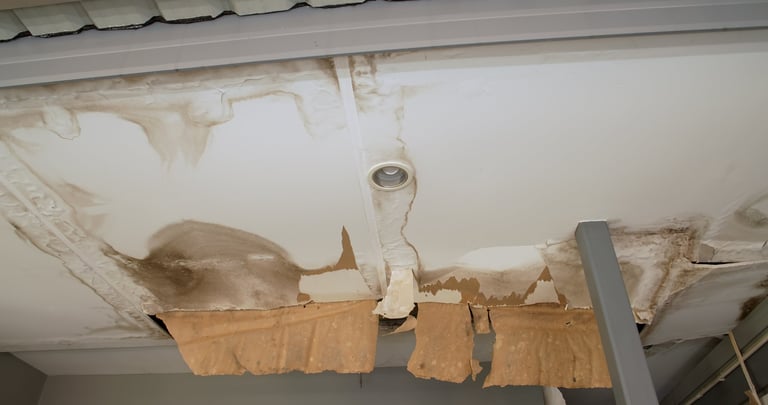
Mold becomes harder and more expensive to address when moisture is ignored. In damp indoor conditions, growth can begin quickly, especially on porous materials such as drywall, insulation, carpet backing, ceiling tiles, and unfinished wood. That is why recent water damage should be treated as urgent even if no visible mold has appeared yet.
Common warning signs include musty odors, staining, bubbling paint, warped flooring, condensation, unexplained allergy-like symptoms, or recurring spots that return after cleaning. Hidden mold may be behind cabinets, under flooring, inside wall cavities, around HVAC components, or behind finished basement walls. If the source is not obvious, a qualified mold inspection provider can help determine whether the issue is localized or part of a larger moisture pattern.
Not every small spot requires laboratory testing, but inspection is valuable when the affected area is widespread, the odor persists, occupants have health concerns, or the mold may be hidden. Air, surface, or in-wall sampling may be recommended when documentation is needed for a property transaction, insurance claim, landlord-tenant concern, or post-remediation verification. A good inspection focuses on moisture mapping as much as mold identification — effective mold removal starts by finding the water source, because cleaning without moisture correction often leads to repeat growth.
The Techniques Professionals Use to Control Contamination
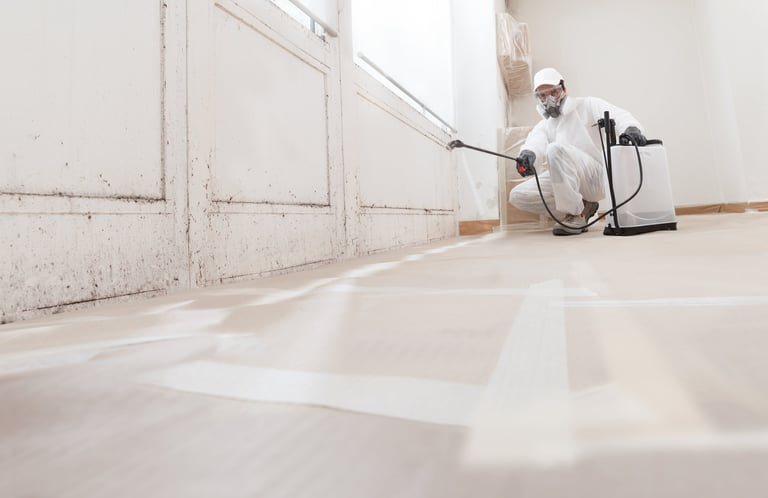
The most effective mold remediation combines building science, safety practices, and specialized equipment. The exact scope depends on the size of the affected area, the materials involved, and whether occupants can remain in the property during work. A typical professional workflow includes: moisture source correction (leaks, condensation, drainage problems, humidity, or ventilation issues addressed before final restoration); containment setup (plastic barriers, sealed openings, and controlled work zones to prevent spores from spreading); negative air pressure (air machines pulling air from the containment zone and exhausting or filtering it); HEPA air filtration (air scrubbers and HEPA vacuums capturing fine particles ordinary household vacuums would recirculate); selective demolition (removing mold-infested porous materials rather than just surface cleaning); cleaning and antimicrobial treatment (nonporous and semi-porous materials cleaned and treated); drying and verification (moisture levels checked before walls, flooring, or finishes are rebuilt); and restoration and repair (replacing drywall and trim, up to larger reconstruction after severe water damage).
These techniques are common among reputable mold remediation providers and are often aligned with recognized industry practices, such as the IICRC S520 approach. The important point for property owners is that each step has a purpose: isolate the problem, remove contamination, improve air quality, and prevent recurrence.
Can You Handle Mold Yourself, or Do You Need a Professional?
Small, surface-level mold on nonporous materials may be manageable if the moisture cause is obvious and easily corrected. However, professional mold remediation is the safer choice when the affected area is large, the material is porous, the mold follows water damage, the odor is strong, or anyone in the property has respiratory sensitivity or immune-related health concerns.
DIY cleaning often fails when mold extends behind surfaces. Spraying bleach on stained drywall, for example, may lighten discoloration without removing contaminated paper facing or addressing moisture inside the wall. Disturbing moldy materials without containment can also release spores into other rooms.
Consider DIY only when the area is small, the material is nonporous, the source of moisture is fixed, and no one in the space is medically vulnerable. Call a professional when growth covers multiple areas, drywall or insulation is affected, there was a flood or sewage event, HVAC may be involved, or the mold keeps returning. Request inspection when you smell mold but cannot see it, you are buying or selling property, you need documentation, or occupants report symptoms tied to the building. And avoid quick fixes when a contractor offers to "seal" or paint over mold without removal, containment, drying, or source correction.
Local Property Factors in Rockville Matter
Rockville's mix of older homes, renovated basements, townhome communities, condos, offices, and retail spaces creates varied mold risks. Finished basements are especially vulnerable because moisture can enter through foundation walls, sump systems, exterior grading problems, or plumbing lines hidden behind walls. Attics can develop growth when bathroom fans vent improperly, insulation blocks airflow, or roof leaks go unnoticed.
In condo and HOA settings, responsibility can be more complicated. A leak may begin in a shared pipe, roof assembly, neighboring unit, exterior wall, or common area. Before authorizing major work, owners should review governing documents, notify property management, and document conditions with photos, dates, moisture readings if available, and written communication.
Commercial properties have different pressures. Business owners may need after-hours work, containment that protects customers and employees, and a clear restoration timeline to reduce downtime. In those cases, planning should include access control, communication with tenants or staff, and coordination with any required maintenance or reconstruction teams.
Costs and Timelines Depend on Scope
Mold remediation costs vary widely because no two buildings fail in exactly the same way. A small bathroom ceiling issue is very different from mold behind finished basement walls after a long-term leak. Projects may range from modest spot remediation to complex jobs costing thousands of dollars; severe cases involving demolition, drying, and reconstruction can be much higher.
The main cost drivers include the size of the affected area and number of rooms involved; whether mold is surface-level or hidden inside assemblies; the type of materials affected (drywall, insulation, flooring, framing, or HVAC components); the level of containment and air filtration required; the need for contents cleaning, disposal, or storage; accessibility of the damaged area; the amount of repair needed after removal; and whether third-party testing or post-remediation verification is requested.
Timelines vary the same way. A contained, straightforward project may take a few days, while larger losses can take a week or more, especially if drying, clearance testing, and reconstruction are involved. Ask for a written scope that separates remediation, drying, repairs, and optional testing so you understand what is included.
Choosing a Trustworthy Rockville Remediation Company
Searching for mold removal companies in Rockville can produce a long list of options, but the best choice is not always the company with the fastest sales pitch. Look for a contractor that explains the moisture source, containment plan, removal methods, safety practices, and restoration steps in plain language, and is willing to document the scope and answer questions before work begins.
A strong contractor selection checklist includes proof of relevant training, insurance, and experience with similar properties; a written assessment and scope of work, not just a verbal estimate; clear separation between inspection findings and remediation recommendations; use of containment, HEPA filtration, and appropriate personal protective equipment; moisture correction as part of the plan, not an afterthought; transparent discussion of what materials can be cleaned versus removed; documentation that may support insurance, HOA, landlord, or property records; and realistic timelines rather than guaranteed instant results.
Be cautious with "free inspection" offers that quickly turn into high-pressure remediation contracts. Free visual checks are not always a problem, but there can be a conflict of interest if the same company both diagnoses the severity and profits from the largest possible scope. For complex disputes, real estate transactions, or health-sensitive situations, independent mold inspection and separate remediation may offer more confidence.
Insurance, Documentation & Prevention
Insurance coverage for mold removal depends heavily on the policy and the cause of the damage. Sudden water damage, such as a burst pipe, may be treated differently from long-term seepage, poor maintenance, or humidity that developed over time. Because exclusions and limits vary, property owners should review their policy and contact their carrier early.
Good documentation helps: take photos before cleanup, save invoices, record dates, keep plumbing or roof repair records, and ask the remediation contractor for moisture readings, containment notes, and a written scope. If you live in a condo or managed community, notify the association or property manager promptly and keep communication in writing.
The best remediation strategy is prevention after the immediate issue is resolved. Mold needs moisture, so routine maintenance should focus on controlling water intrusion, condensation, and indoor humidity — repair leaks quickly, keep indoor humidity controlled, run exhaust fans long enough to clear moisture, inspect basements and attics after storms, keep gutters clean and downspouts directed away from the foundation, avoid storing porous materials against basement walls, and schedule a professional evaluation after significant water damage even if surfaces appear dry.