Attic Mold Removal: Causes, Risks & the Safe Fix
Attic mold often goes unseen for months — which is exactly why it spreads. Poor ventilation, roof leaks, and condensation from bathroom or kitchen exhaust all create the damp, dark conditions mold loves. Here's how to recognize attic mold, why it's risky, and how professionals remove it safely.
Why Attics Get Mold
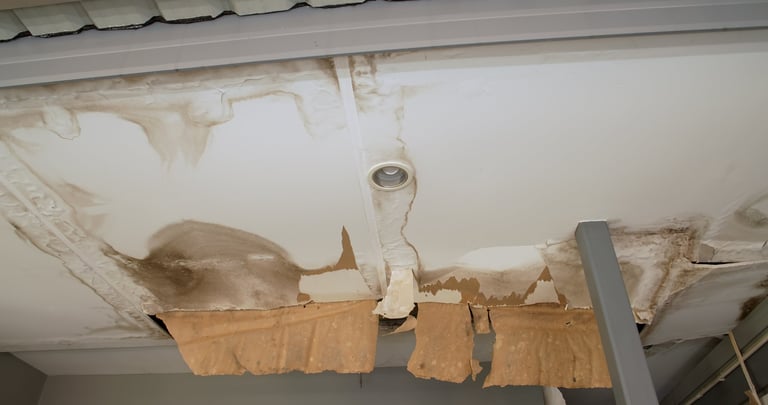
Attics combine three things mold needs: darkness, warmth, and moisture. Common culprits are roof leaks around flashing and vents, insufficient ridge and soffit ventilation that traps humid air, and warm moist air rising from bathrooms and kitchens and condensing on cold roof sheathing.
Because attics are usually unfinished and rarely visited, mold can flourish for months before anyone notices. If you've seen staining on roof sheathing or a musty smell on the top floor, it's worth a professional inspection.
The Health and Structural Risks
Attic mold can deteriorate roof sheathing and framing over time, and spores can migrate down into your living space through ceiling fixtures and HVAC equipment, triggering allergies and respiratory irritation. Per the CDC, mold exposure can cause coughing, eye and throat irritation, and more serious reactions in sensitive individuals.
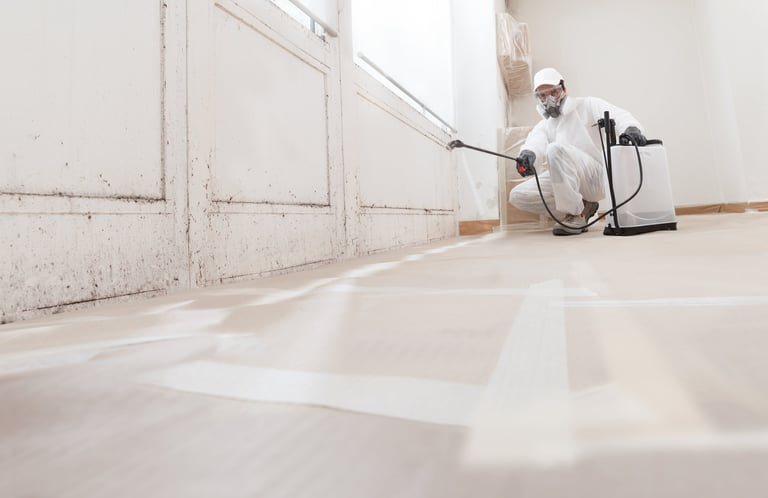
That's why attic mold removal should be handled with containment — not by scrubbing visible growth while spores rain down onto the rest of your home.
How Professionals Remove Attic Mold
Remediation starts with finding the moisture source — we inspect the roof, flashing, vents, and venting. Then we contain the attic, set up HEPA filtration, remove contaminated insulation and sheathing, and treat the framing with antimicrobial products. Finally we fix the ventilation issue so condensation stops recurring.
Pure Resto's IICRC S520-certified technicians handle attic mold removal cleanly and thoroughly, and we fix the root cause so it doesn't return.